
In the heart of the Amazon rainforest, where the air is thick with the scent of dampearth and the symphony of exotic birds fills the air, grows a tree that has been a sourceof solace and healing for centuries. This is Mulungu (Erythrina mulungu), a plantrevered by indigenous cultures for its profound calming properties and its ability tosoothe the mind and spirit. But Mulungu is more than just a traditional remedy; it is abotanical treasure that is now capturing the attention of the modern world, offering anatural path to tranquility in our often-chaotic lives.
This blog post will take you on a journey to discover the many facets of Mulungu. Wewill delve into its botanical and geographical origins, exploring the unique ecosystemswhere it thrives. We will uncover the science behind its remarkable effects, from itsanxiolytic and sedative properties to its potential as an antidepressant. We will alsoexplore the various ways to use Mulungu, from traditional teas to modern tincturesand extracts. And, of course, we will honor its rich history by examining its traditionaland shamanic uses, which have been passed down through generations. Whether you are seeking a natural way to manage stress and anxiety, improve yoursleep, or simply learn more about the incredible healing power of plants, thiscomprehensive guide to Mulungu will provide you with the knowledge you need tounderstand and appreciate this remarkable gift from the Amazon.
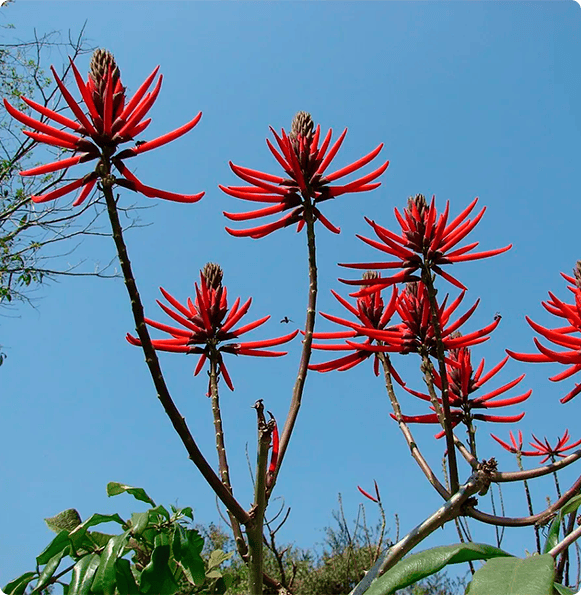
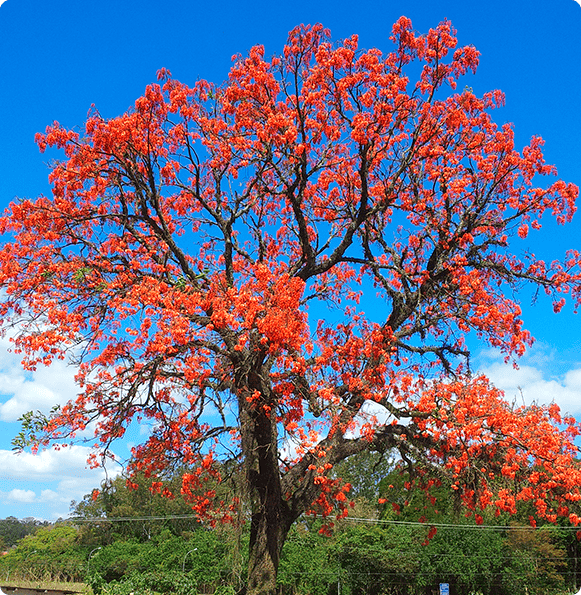
Mulungu, scientifically known as Erythrina mulungu, is a striking ornamental tree andmedicinal plant native to the diverse ecosystems of Brazil and other parts of SouthAmerica, particularly Bolivia [1]. This medium-sized, well-branched tree typicallygrows to a height of 10-14 meters, though some sources indicate it can reach up to 15 meters [3, 1]. Its trunk can be multi-stemmed and measure between 40-70 cm indiameter [2].
The tree is predominantly found in the cerrado and caatinga ecoregions of Brazil andBolivia [1, 4, 9]. These regions are characterized by their unique vegetation andclimate, which contribute to the specific growth patterns and chemical composition ofMulungu. The plant produces a profusion of beautiful reddish-orange flowers, whichare pollinated by hummingbirds [3].
Historically, Erythrina mulungu was first recorded in 1829 [10]. It belongs to the genus Erythrina, which encompasses trees and shrubs found in both tropical and subtropicalregions across the globe [10]. The species Erythrina verna is often considered asynonym for
Erythrina mulungu [8].
Mulungu seeds are red-orange and germinate in organo-sandy substrates. Theytypically emerge between 7 and 16 days after planting, though breaking dormancy isnot always necessary. When needed, germinative treatments involving mechanicalscarification of the seed coat and immersion in water for 24 hours can be performed[1]. It is important to note that the seeds are considered very toxic, and ingestionshould be avoided as it poses a danger of death [1].
Mulungu is widely recognized for its profound effects on the central nervous system,primarily its anxiolytic (anxiety-reducing) and sedative properties. These effects areattributed to the rich array of alkaloids present in the plant, including hypaphorine,erythrine, and erythravine [1]. These compounds are believed to interact with GABAreceptors, which are crucial for calming the nervous system and alleviating anxiety andstress [1].
Scientific studies have explored Mulungu’s anxiolytic potential. For instance, researchhas shown that Erythrina mulungu can exhibit anxiolytic effects without causingsignificant changes in physiological parameters, suggesting its potential as a naturalalternative for anxiety management [2]. Other studies have confirmed the sedative andanxiolytic-like effects of Mulungu extracts in animal models [5, 9].
Beyond its calming properties, Mulungu has also been investigated for itsantidepressant effects [4]. The presence of natural flavonoid compounds like luteolinin Mulungu may contribute to these mood-enhancing benefits [4]. Traditional uses of
Mulungu often highlight its ability to promote mental clarity, improve mood, andprovide balanced energy, alongside its relaxing qualities [6].

It is important to note that while many users report feeling calm focus, improvedmood, and balanced energy, individual experiences may vary [6]. The plant’s ability toinduce tranquility has made it a popular natural remedy for insomnia and generalnervousness in traditional medicine [3].
Mulungu can be consumed in various forms, offering flexibility in how individualschoose to incorporate it into their wellness routines. The most common methodsinclude teas, powders, tinctures, and dry extracts.
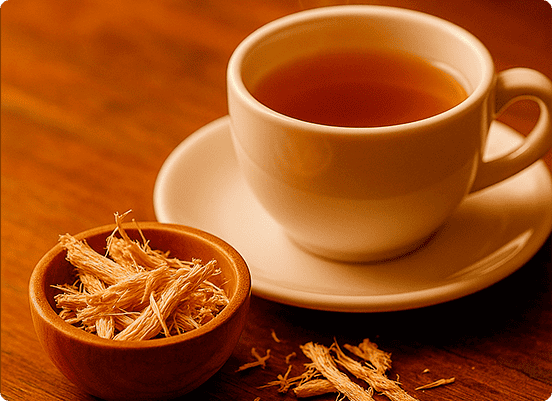
Preparing Mulungu as a tea is one of the most traditional and popular methods ofconsumption. The tea can be made from either the dried bark or leaves of the Mulungutree [1]. To prepare, typically 1-2 teaspoons of dried Mulungu root or bark per cup(250ml) of boiling water is recommended [4, 6]. Some suggest simmering the powderwith a few drops of lemon juice or vinegar for about 15 minutes, while othersrecommend soaking it in hot water for 5-10 minutes, stirring occasionally [2, 9]. The teais often consumed in the evening, about 30 minutes before bedtime, to promoterelaxation and sleep [10]. It’s generally advised to limit consumption to up to 3 cups oftea per day [7].
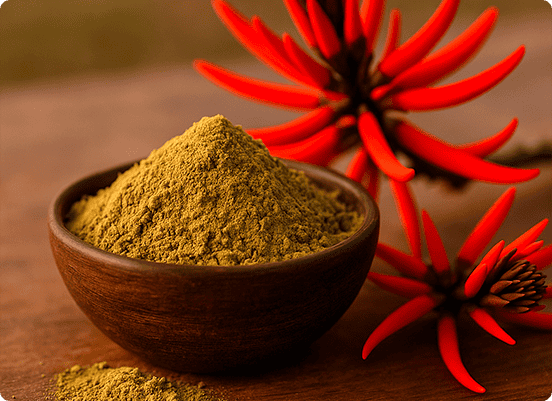
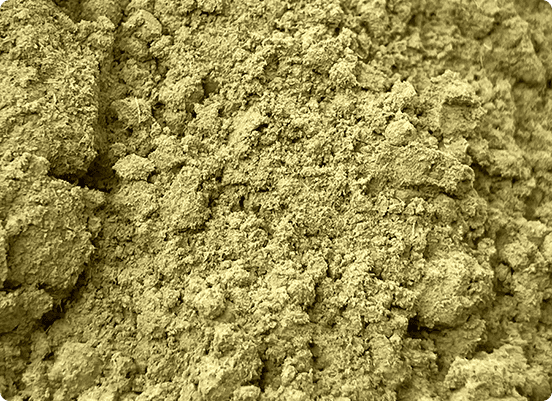
Mulungu is also available in powdered form, which can be used to prepare teas orincorporated into other beverages. For tea preparation, a common dosage is onetablespoon (approximately 15g) of the powder per cup of water [2]. The powderedform offers convenience and allows for easy measurement and integration into dailyroutines [2].
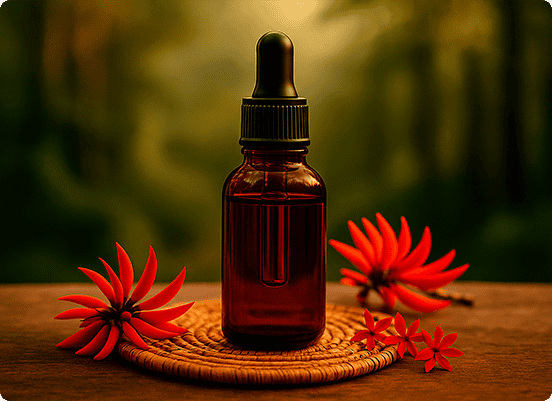
Tinctures are concentrated liquid extracts of Mulungu, typically made by soaking thebark or leaves in alcohol. This method allows for a potent and easily absorbed form ofthe herb. Tinctures are a convenient option for those who prefer not to brew teas orconsume powders. Suggested dosages for liquid extracts can vary, but one productrecommends taking 60 drops twice daily with a small amount of water [5]. Forindividuals who need to minimize alcohol intake, alternative alcohol-free tincturesmay be available or other consumption methods might be preferred [5].
Dry extracts of Mulungu are highly concentrated forms of the plant’s activecompounds. These extracts are typically more potent than raw powders or teas,meaning smaller quantities are needed to achieve desired effects. While specificpreparation instructions for dry extracts may vary by product, they are generallydesigned for easy integration into various consumption methods, similar to powdersor tinctures.
Regardless of the chosen method, it is crucial to adhere to recommended dosages andconsult with a healthcare professional, especially for individuals with underlyinghealth conditions or those taking other medications. The potency of Mulungu can varydepending on the form and concentration, so starting with a lower dose and graduallyincreasing it is often a prudent approach.
Mulungu has a long and rich history of traditional use among indigenous peoples inthe Amazon and throughout Brazil. For centuries, various Erythrina species, includingMulungu, have been utilized for their medicinal properties, as well as for purposes likeinsecticides and fish poisons [1].
In Brazilian traditional medicine, Mulungu is highly valued as a natural sedative andanxiolytic. It has been widely used to calm an overexcited nervous system, promoterestful sleep, and alleviate conditions such as insomnia, stress, and anxiety [1, 2, 3, 7,9]. Folk practitioners often recommend Mulungu for nervous disorders, agitation, andeven nervous coughs [5, 9].
Beyond its calming effects, traditional uses of Mulungu extend to treating a range ofother ailments. It has been employed for central nervous system disorders,convulsions, asthma, bronchitis, and liver inflammation [5, 8]. The plant’s ability torelieve stress and anxiety has made it a popular choice for those seeking naturalremedies for these conditions [6, 10].
The continued use of Mulungu in traditional practices highlights its enduringsignificance as a valued plant in Amazonian herbal medicine. Its diverse applicationsunderscore the deep knowledge and understanding of the plant’s propertiesdeveloped over generations by indigenous communities.
Beyond its medicinal applications, Mulungu holds significant cultural and spiritualimportance in various indigenous traditions of the Amazon. It is often incorporatedinto religious and shamanic practices, where its calming and mind-altering propertiesare utilized to facilitate spiritual experiences.
In shamanic ceremonies, Mulungu is believed to aid in spiritual journeys, helpingpractitioners access deeper levels of spiritual wisdom and self-understanding [4]. Theplant is thought to open pathways to altered states of consciousness, allowing forcommunication with the spirit world, introspection, and healing on a profound level.Its tranquilizing effects can help to quiet the mind, making it more receptive tospiritual insights and visions.
Furthermore, Mulungu is believed to possess protective and purifying qualities [10]. Itmay be used in rituals to cleanse negative energies, ward off evil spirits, and create asacred space for spiritual work. The plant’s association with calmness and tranquilityalso extends to its spiritual applications, where it is seen as a tool to bring peace andbalance to individuals and communities during spiritual practices.
While the specific rituals and beliefs vary among different indigenous groups, therecurring theme is Mulungu’s role as a sacred plant ally that supports spiritual growth,healing, and connection to the unseen realms. These traditional uses highlight aholistic understanding of the plant, where its physical effects are intertwined with itsspiritual significance.
Scientific research on Mulungu, particularly Erythrina mulungu and related Erythrina species, has largely focused on validating its traditional uses, especially its anxiolyticand sedative properties. Studies have aimed to identify the active compoundsresponsible for these effects and understand their mechanisms of action.
Numerous preclinical studies have demonstrated the anxiolytic-like effects of Mulunguextracts in animal models. Research has shown that Erythrina mulungu can reduceanxiety without causing significant changes in physiological parameters, suggesting itspotential as a natural anxiolytic [2]. The anxiolytic activity is often attributed to theerythrinan alkaloids present in the plant, such as erysothrine, which has shownanticonvulsant and mild anxiolytic activity [3, 5, 9]. These alkaloids are believed tointeract with GABAergic systems in the brain, which play a crucial role in regulatinganxiety and promoting relaxation [1].

For instance, a study evaluating the effect of Erythrina mulungu on anxiety during thirdmolar extraction in humans found that it exhibited an anxiolytic effect [2]. Anotherreview highlighted that Erythrina velutina and Erythrina mulungu both possessanxiolytic effects [4]. While traditional medicine has long recognized these effects,scientific validation continues to be explored, with some studies indicating promising results [6].
Beyond its anxiolytic properties, Mulungu has also been investigated for its potentialantidepressant effects. Studies have explored the antidepressant-like activity ofhydroalcoholic extracts from Erythrina mulungu [1]. The presence of variouscompounds, including flavonoids like luteolin, may contribute to these mood-enhancing properties [4]. While more research is needed, the preliminary findingssuggest that Mulungu could offer a natural approach to managing symptoms of depression.
While the primary focus of scientific research has been on Mulungu’s central nervoussystem effects, some studies have also touched upon other potential therapeuticproperties. These include anticonvulsant activity and the general sedative effects thatcontribute to its traditional use for promoting sleep [3, 8].
It is important to note that much of the scientific research on Mulungu has beenconducted in preclinical settings (in vitro or animal studies). While these studiesprovide valuable insights into the plant’s potential, further clinical trials in humans arenecessary to fully understand its efficacy, optimal dosages, and potential side effectsfor various conditions. Nevertheless, the existing scientific evidence largely supportsthe traditional uses of Mulungu as a calming and mood-balancing botanical.
Mulungu, the Amazon’s calming tree, stands as a testament to the enduring wisdom oftraditional medicine and the remarkable power of nature. From its botanical roots inthe diverse landscapes of Brazil and Bolivia to its profound effects on the humannervous system, Mulungu offers a compelling natural alternative for those seekingtranquility and balance in their lives.
Its traditional uses, spanning centuries and deeply embedded in indigenous cultures,highlight its efficacy in addressing anxiety, insomnia, and various nervous disorders.The plant’s role in religious and shamanic practices further underscores its significanceas a sacred ally for spiritual growth and healing.
Modern scientific research, while still in its early stages, continues to validate many ofthese traditional claims, identifying key alkaloids and compounds responsible forMulungu’s anxiolytic, sedative, and antidepressant-like effects. As our understandingof this botanical treasure grows, so too does its potential to contribute to holistic well-being.
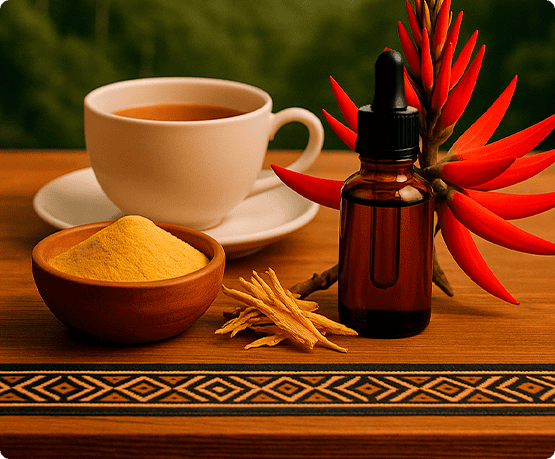
Whether consumed as a soothing tea, a convenient powder, a potent tincture, or aconcentrated dry extract, Mulungu offers a versatile approach to harnessing itscalming properties. However, as with any natural remedy, responsible use, adherenceto recommended dosages, and consultation with healthcare professionals are paramount.
In a world increasingly seeking natural solutions for stress and anxiety, Mulunguemerges as a beacon of hope, a gentle yet powerful reminder of the Amazon’s richbiodiversity and its profound gifts to humanity. Its story is a blend of ancient wisdomand modern discovery, inviting us all to explore the calming embrace of this extraordinary tree.
https://en.wikipedia.org/wiki/Erythrina_mulungu
https://www.tuasaude.com/en/mulungu/
https://www.rain-tree.com/mulungu.htm
https://pmc.ncbi.nlm.nih.gov/articles/PMC/
https://www.sciencedirect.com/science/article/abs/pii/SX
https://globalhealing.com/blogs/education/benefits-of-mulungu-bark-for-mentalhealth
https://shamanicsupply.com/pages/mulungu-rapeh-natural-solution-foranxiety-relief
https://pubmed.ncbi.nlm.nih.gov//
https://caringsunshine.com/relationships/relationship-nerves-and-mulungu/
https://www.canapuff.com/blogs/news/mulungu-unlock-tranquility-and-deep-sleep-naturally
Yage is a space dedicated to the living wisdom of sacred plants. We blend ethnobotany, ancestral knowledge, and modern consciousness to honor the spiritual, medicinal, and ecological value of plant allies. Through stories, research, and reflection, we walk a path of respect and reverence for nature’s intelligence.
All rights reserved. Yagé 2025
